
Whoa!
Choosing a Solana wallet can feel like speed-dating with software.
Most people want something quick, secure, and understandable, and they want their NFTs to actually show up when they click “Connect”.
My instinct said a browser extension would be clunky at first, but after weeks of fiddling and testing, it grew on me in a real way.
Longer workflows—like batching transactions for an airdrop and then verifying metadata across explorers—expose the real differences between wallets, and those differences matter more than marketing promises.
Really?
Yes, really.
Extensions are the fastest path from discovering a drop on Twitter to owning an NFT on Solana.
They inject a small UI inside your browser that talks directly to dapps without jumping between apps.
That directness reduces friction, though it also concentrates risk if you aren’t careful with approvals and recovery phrases.
Hmm…
Something felt off about the “one wallet to rule them all” pitch.
Initially I thought more features always meant better safety, but then realized simpler interfaces often cause fewer accidental permission grants.
Actually, wait—let me rephrase that: complexity is useful for power users, yet it exposes casual users to very real social-engineering attacks when dialogs are unclear.
So there’s a trade-off: convenience versus fine-grained control, and your tolerance decides the right choice.
Here’s the thing.
Browser extensions shine for day-to-day NFT work because they make confirmations visible right in-browser.
You can preview an NFT mint, sign a transaction, and keep browsing in seconds.
But that speed can lull you into sloppy habits if you click through an approval without reading the specifics, which is why permission hygiene matters.
Long, habit-forming use reveals patterns in wallet UIs that either protect you or trick you—watch for “approve unlimited spending” prompts in particular, and treat them like red flags.
Okay—check this out—
If you’re testing wallets, open a burner account first.
I used a tiny testnet token and a throwaway collection to try approvals and revocations; it saved me from losing things I actually cared about later.
On one hand it’s a hassle to set up test accounts, though actually it’s faster than trying to recover from a phishing loss.
And yes, I’m biased, but that little ritual of testing keeps me calm when a new drop goes live and the gas war starts.
Wow!
Phantom has grown into the go-to extension for many people in the Solana ecosystem.
It balances a clean interface with features power users want, like token management, NFT display, and integrations with Ledger-type hardware.
If you prefer to try it, a straightforward download for the browser extension is available for the phantom wallet.
Be mindful to only install from the official source and double-check the extension ID; impostors do pop up.
Seriously?
Yes—serious about seed phrases.
Your recovery phrase is the absolute control key for all your accounts; losing it is like losing your keys and the house they’re for.
Write it down on paper and keep copies in separate secure locations (I keep one with my tax paperwork, another locked away elsewhere), and avoid cloud notes.
Long-term storage considerations matter more as your NFT collection gains value, and some folks even split phrases across trusted custodians for extra resilience.
Hmm…
On the technical side, Solana’s transaction model uses recent blockhashes and small lamport fees, which keeps fees low and transactions fast.
That speed is fantastic for minting and flipping NFTs during drops, but it also means scammers can spam signature requests very quickly.
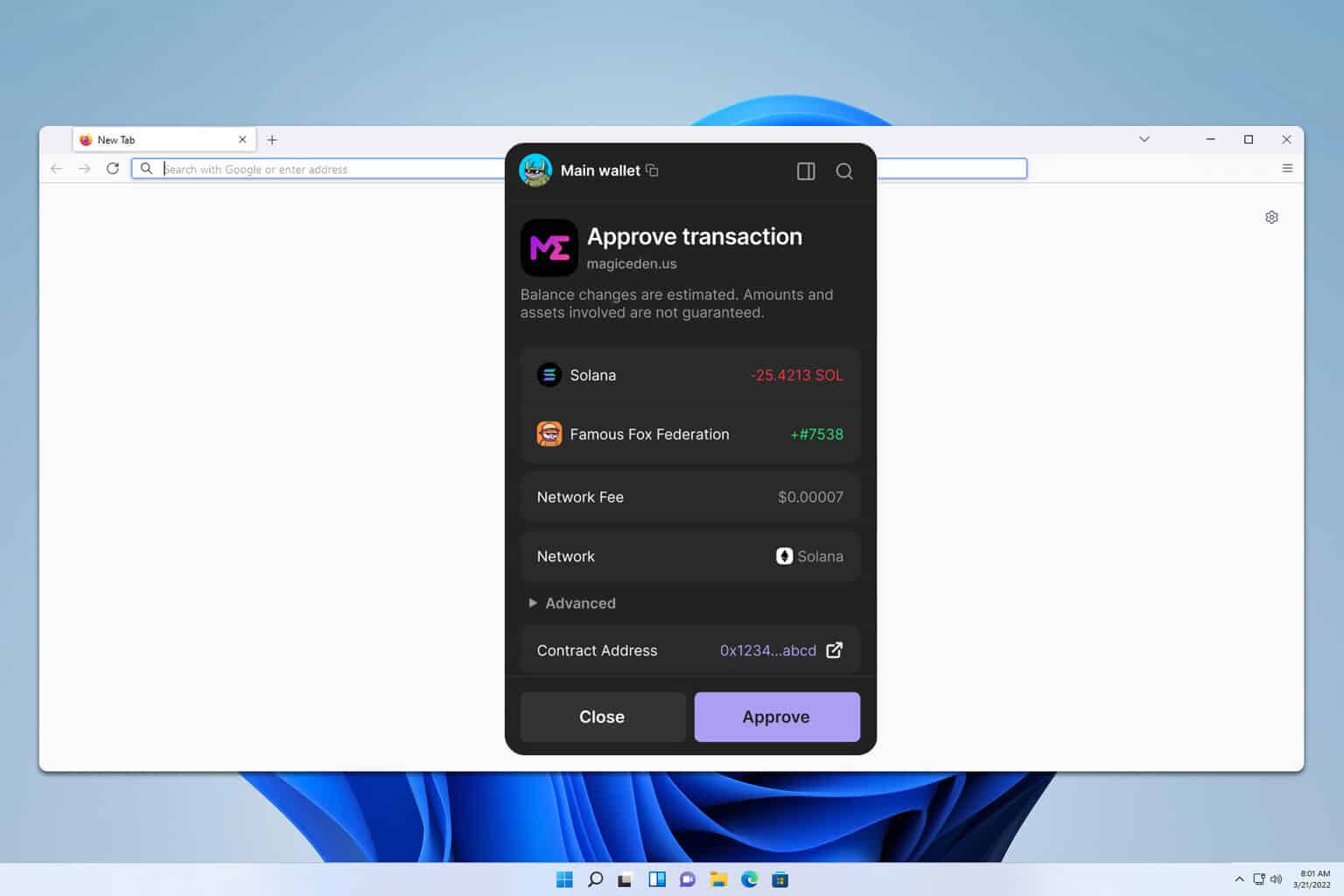
So training yourself to read the signing window—who is requesting, what method, how many instructions—becomes a daily habit.
A careful routine combined with a well-configured extension mitigates a lot of risk that otherwise looks subtle until it isn’t.
Here’s what bugs me about wallet onboarding.
People often skip verifying the extension before connecting to a site.
(oh, and by the way…) go check the extension ID and review the permissions screen; it takes thirty seconds.
My rule: never connect a primary account to an untrusted site—create a secondary account for experimental drops or unknown mints.
This separation reduces catastrophic losses if a malicious dapp gets you to sign a rug-pull style approval.
Alright, so practical tips.
Keep one primary account and one or two secondary accounts for drops and testing.
Use hardware-backed signing for high-value holdings whenever the wallet supports it, and revoke approvals periodically.
Check tx details for unexpected token transfers or program changes before approving.
If you’re new, practice with small amounts first and build muscle memory around secure behavior.
Where to Start — A Simple Recommendation
I’m not neutral here: the extension that matched speed, UX, and decent security for me was phantom wallet.
Install it, create a new wallet, write the seed phrase down, then set up a hardware device if you plan to hold high-value NFTs.
Try a mint on devnet first, revoke approvals after the test, and then move to mainnet with confidence.
Also: update the extension regularly; browser vendors and wallet teams push security patches that close attack windows, and staying patched is non-negotiable.
My honest limits: I’m not a lawyer, and I don’t manage institutional custody for blue-chip collections.
I’m sharing what worked for me, and for dozens of friends who asked during late-night mint chaos.
Some questions remain open, like how split custody will evolve in the NFT space as on-chain royalties and off-chain rights collide, but that’s another long convo.
For now, focus on habits: separate accounts, hardware for big holdings, and skeptical reading before every click.
FAQ
Q: Can I use the same extension wallet across browsers?
A: Yes, you can export/import using the recovery phrase, though do so carefully.
Copying a phrase between devices increases exposure risk.
If you must move between browsers, prefer a fresh install and manual phrase entry on the target device rather than clipboard copy-paste.
Q: Are browser extensions safe for long-term NFT storage?
A: They can be, if paired with a hardware signer or very disciplined operational security.
For everyday access and trading, extensions are convenient.
For vault-level security, use a hardware device plus multi-signature setups when available.
Q: What’s the worst mistake new users make?
A: Approving unlimited token transfers without understanding the permission scope.
Double-check who the program is and what instructions it will run.
If you ever feel rushed or pressured, pause—attackers exploit haste more than technical gaps.